The National DNA Database is the reason most people have heard of a DNA profile at all. Police in the UK have matched crime scene samples against it for decades, and it is now changing shape. The Home Office unit that runs it plans to move from 16 markers to at least 20. It also plans a separate collection of male line profiles. Because a DesigNA piece also rests on a marker profile, the news raises a fair question. Is the pattern on your wrist the same thing the police hold? So this post explains what the database stores, what is changing, and why your DesigNA profile never goes anywhere near it.
What a National DNA Database profile holds
The Forensic Information Databases Service, a unit inside the Home Office, manages the database. Its page explains that the current standard, which the Home Office calls DNA 17, holds 16 markers and a sex test. The planned DNA 20 plus profiles hold at least 20 markers and a sex test. After the change, the database will retain and search both kinds. The reason for the move is sharing. Other countries use different marker sets, so a larger profile lines up better with international searches.
The same page describes a second change. The Home Office also plans a centralised national collection of Y STR profiles, which read markers on the male line, to help with current and cold case reviews. Seven million pounds will fund its development, and plans for expansion start in 2026.
The same science, a different purpose
A marker, in both cases, is a Short Tandem Repeat. It is a short stretch of DNA that repeats a different number of times in different people. So a profile simply records how many repeats a person carries at each one. NIST's STRBase is the reference database for these markers. Also, Wellcome's yourgenome explains how fluorescent tags turn them into coloured peaks on a machine.
A DesigNA profile reads 23 of these markers from a cheek swab. The laboratory, a UK laboratory with over 25 years in genetic testing, uses the same kind of analysis as UK identity and paternity testing. So the science is the same family. However, the purpose is the opposite. A police profile sits on a database for years so that officers can search unknown samples against it. By contrast, a DesigNA profile lives for a few weeks, becomes a pattern of stones, and then goes into the bin.
Why your DesigNA profile is never stored
Here is the chain, step by step. First, the wearer takes their own swab, with their own consent, and posts it back in the prepaid envelope. Next, the laboratory reads the 23 markers and destroys the sample after profiling. The pattern then goes to our partner jeweller as positions and colours, with no DNA attached. Finally, after the piece arrives, we delete the marker data. We upload nothing to any database, we share nothing, and we sell nothing.
Genetic data is special category data under UK GDPR, and the ICO's guidance explains why that category carries extra protection. That is why the kit asks for explicit consent. It is also why the certificate, which lists the readings, should stay in the box rather than in a public photo. Your DNA and privacy sets out the full policy, including how to ask for deletion at any time.
Could a DesigNA piece be used as evidence?
No, because we never designed it for that. The DNA Profile Certificate is decorative and has no legal standing. It is not a paternity report or an identity document. It exists to show that the stones on your strand are a true reading of your profile, and nothing more. Instead, a court or a police laboratory works from its own samples and records, under rules the Forensic Science Regulator oversees. A necklace is not part of that system.
What the two share is one honest fact. A set of identity markers says who, never what. It holds nothing about health, ancestry, appearance or traits, which is why it is safe to wear. Our post on what a DNA profile can and cannot say goes further.
The profile you keep: the Silver Sphere DNA Profile Necklace, £259
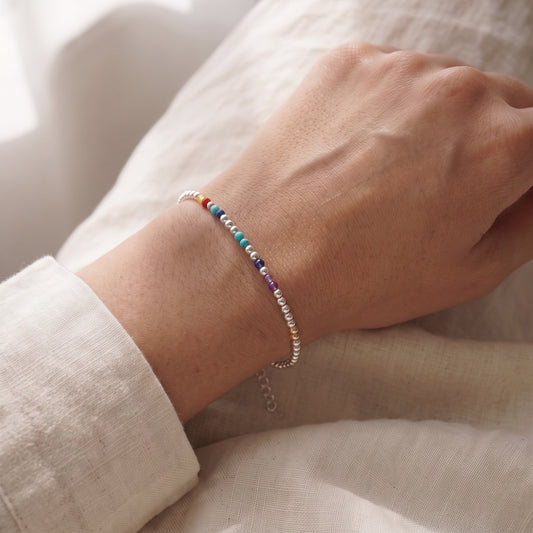
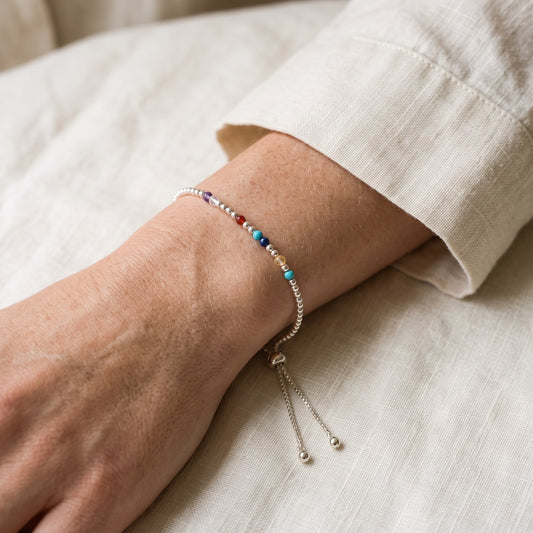
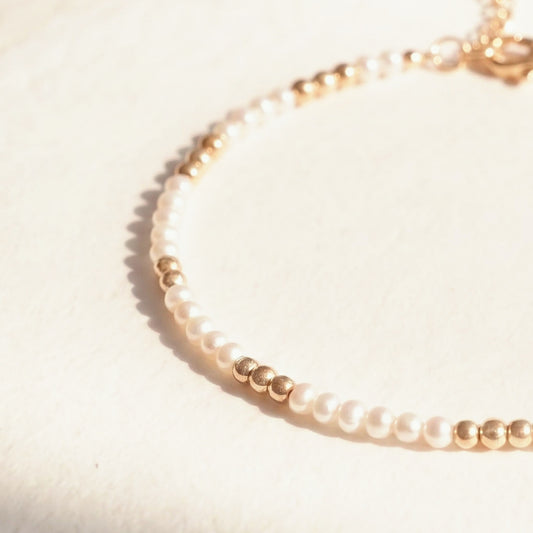
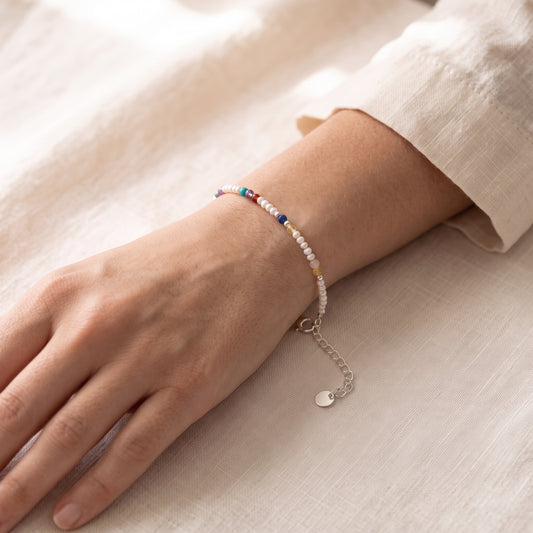
A database profile is a record someone else holds. A DesigNA piece, by contrast, is a record you hold. The Silver Sphere DNA Profile Necklace, £259, lays the 23 markers out most clearly. Polished 5mm spheres in 925 hallmarked sterling silver hold the spaces, with a silver spacer either side of each stone. Lapis lazuli, garnet, citrine, amethyst and amazonite mark every value in the order the fragment sizes place them. Choose 16, 18 or 20 inches, each with a 2 inch extender.
The kit arrives in 2 to 3 working days. Then the necklace takes 2 to 3 weeks from the day the laboratory has the swab. Free UK tracked delivery covers both. For Christmas, order by Sunday 15 November 2026. The certificate arrives on top in the box. Once we delete our data, it is the only copy of the reading that exists.
Frequently asked questions
What is the National DNA Database?
A database of DNA profiles that UK police search against crime scene samples. The Forensic Information Databases Service, a unit in the Home Office, manages it. Current profiles contain 16 markers and a sex test. The planned DNA 20 plus profiles contain at least 20 markers and a sex test.
Is a DesigNA profile the same as a police profile?
It uses the same kind of markers, Short Tandem Repeats, read with the same kind of analysis. However, the purpose is different. A DesigNA profile exists only long enough to become a pattern of stones, and we delete it after the piece arrives.
Does DesigNA share profiles with the police or anyone else?
No. We never sell or share genetic data. The laboratory destroys the sample after profiling, and we delete the marker data after the piece arrives. You can also ask for deletion at any time by emailing sales@mydesigna.co.uk.
Could my necklace identify me?
Only to someone holding your certificate and a laboratory, and even then it has no legal standing. The piece shows a pattern of positions and colours. It is not a document, and it holds no DNA.
What does a marker profile say about me?
Who, never what. Identity markers sit in stretches of DNA chosen because they vary between people. So they carry nothing about health, ancestry, appearance or traits.
Ready to keep the only copy? Explore the full DesigNA collection.
Your genetic code, profiled from a simple cheek swab and handcrafted into the exact DesigNA necklace. No two are ever the same.
Shop the collection