A DNA test kit as a gift sounds like a strange idea at first. However, it is worth pausing on what it actually means. Some DNA kits tell someone where their ancestors came from. Others, like DesigNA, read a person's own genetic markers. They turn those markers into a piece of jewellery, worn every day. These are different gifts with different answers. So this post looks at the DesigNA kind specifically. It gives a straight answer on when the idea works well, and when it does not.
What a DNA test kit as a gift actually involves
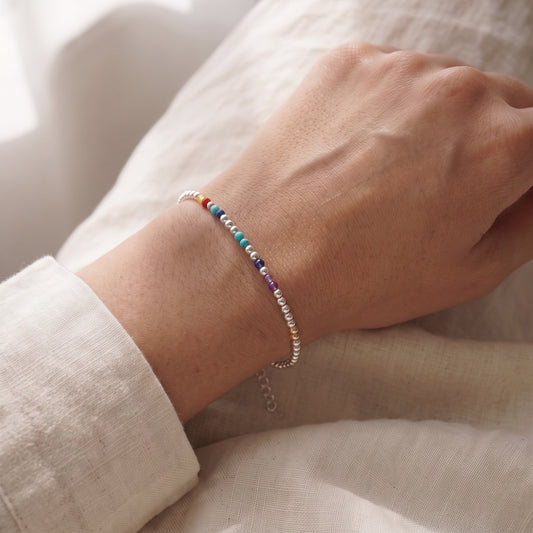
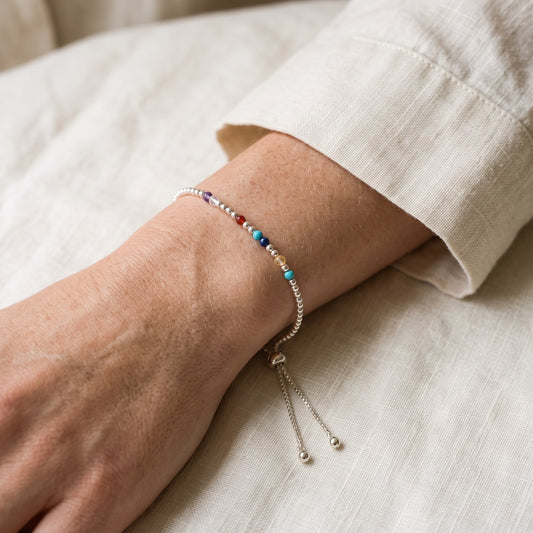
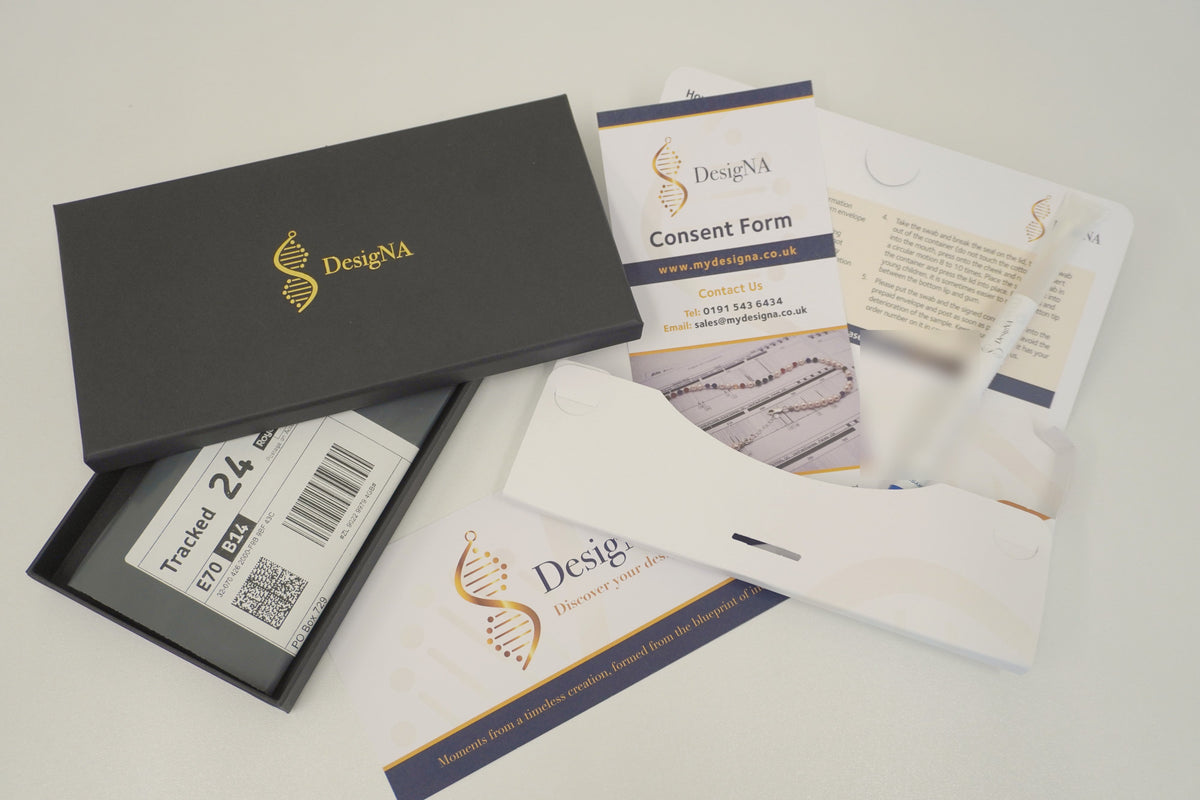
Before anything else, it helps to know what happens after the kit arrives. A DesigNA kit contains labelled cheek swabs, a consent form with an information leaflet, and a prepaid return envelope. We dispatch it within 2 to 3 working days of ordering. The wearer takes their own swab in under two minutes, then posts it back. Our step by step sampling kit guide shows each stage. From there, our lab, which has over 25 years in genetic testing, reads 23 DNA markers from the sample. Each marker becomes a stone, set along a strand of metal in the exact order the person's own DNA places it. The finished necklace or bracelet follows, around 2 to 3 weeks after the laboratory receives the swab. As a result, the gift arrives in two parts rather than one. The kit comes first, then the piece.
So is it a good idea? The honest answer
In short, yes, provided the gift suits how the recipient feels about waiting. A DNA test kit as a gift is not an instant unwrapping moment, the way a wrapped necklace is. Instead, it is a process the recipient takes part in. The finished piece is personal to them, because no two people share the same DNA markers. Consequently, it suits someone who will enjoy that process. Think of a partner who likes a considered gift, a parent who wants something lasting, or a milestone birthday where the wait becomes part of the story. On the other hand, some people want everything finished on the day. For them, a kit gifted alone will feel incomplete until the piece arrives.
Who a DNA test kit as a gift suits best
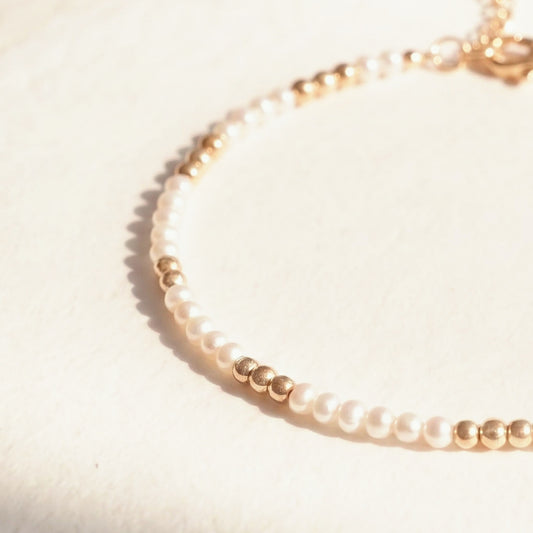
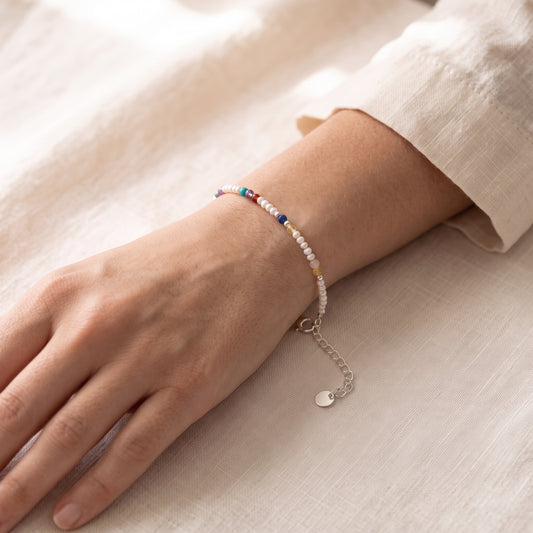
Because the kit asks the recipient to take part, it suits people who like meaning over immediacy. A sibling or close friend who already knows the idea is unlikely to mind the wait. Equally, a parent or grandparent often finds the finished piece more moving. It reflects them specifically, rather than a symbol chosen on their behalf. For example, the Pearl DNA Profile Necklace, £275, strings genuine freshwater pearls with the stone markers set between them, finished in sterling silver. That tends to suit an older recipient who wants something classic. For a lighter entry point, bracelets start from £179. They make a natural way to introduce someone to the idea before committing to a necklace.
Consent matters more here than with most gifts
This is the one part of the decision that is not optional. In the UK, the Human Tissue Act 2004 makes it an offence to analyse someone's DNA without their consent. So the adult whose DNA it is takes their own cheek swab and signs their own consent form. Therefore, gifting the kit is entirely fine. However, sampling someone else, or completing the swab on their behalf as a surprise, is not, and we would never suggest otherwise. DesigNA also makes pieces from a child's DNA, provided a parent or guardian with parental responsibility gives written consent first. So the gift works well, as long as the recipient is the one holding the swab. Our gift buyer's guide to who takes the swab covers the common situations in more detail.
Why this differs from an ancestry DNA test as a gift
Many people searching for a DNA test kit as a gift are picturing an ancestry test instead. So it is worth being direct about the difference. An ancestry kit analyses a sample to estimate ethnic origin, or to build a family tree. The result is a report, not an object. A DesigNA kit does something else entirely. The 23 markers it reads become the physical design of a necklace or bracelet. So the output is a piece of jewellery, not a document. Only one of them ends up worn. And we never look at health or ancestry: the 23 markers we read identify a person, and that is all they are used for.
Making the decision easier before Christmas
Because the process takes a few weeks from swab to finished piece, timing matters more here than for most presents. Our Christmas order date for this year is Sunday 15 November 2026. Ordering now keeps a finished piece realistic for the day itself. After that date, the kit itself still makes a complete gift. Wrap it, let the recipient open it on Christmas morning, and the piece follows once the lab has the swab. For the full timing picture, see one week left to order for Christmas.
Kit now or finished piece later: which should you give?
There are really two ways to give this gift, and each suits a different person. First, you can order early enough for the finished piece to arrive before the day. In that case, the swab happens quietly in advance, with the recipient's knowledge and consent, and the necklace or bracelet is what they unwrap. Alternatively, you can give the kit itself as the present. The recipient opens it, takes their swab, and the piece follows a few weeks later.
Neither option is the lesser gift. For example, a partner who loves a surprise on the day may prefer the finished piece. Meanwhile, someone who enjoys being involved often finds that opening the kit is the moment they remember, because it is the start of something made only from them.
What to write in the card
Because the piece arrives later, the card does more work than usual. So keep it simple and specific. Tell them what the kit becomes: a necklace or bracelet set with stones in the order their own DNA places them. Then tell them why you chose it. A line such as "No one else in the world could wear this one" says enough. Finally, add the practical part, so they know to post the swab back soon after the day.
Ready to choose
If you have read this far, you already have enough to decide. Browse the full DNA jewellery collection to compare every finish, from the Silver DNA Profile Necklace at £249 to the full bracelet range from £179. The Wellcome Genome Campus education resource Yourgenome explains why every person's DNA sequence is unique, which is exactly why no two DesigNA pieces ever turn out the same.
Frequently Asked Questions
Is a DNA test kit a good gift idea?
Yes, for the right person. It suits someone who values a personal, considered gift over an instant unwrapping moment, since the finished piece follows the kit by a few weeks rather than arriving on the same day.
Can I buy a DNA test kit as a gift for someone else?
You can order and gift the kit itself. However, the recipient takes their own cheek swab and signs their own consent form, because UK law (the Human Tissue Act 2004) does not allow anyone's DNA to be analysed without their consent.
What is inside a DNA test kit gift from DesigNA?
Each kit contains labelled cheek swabs, a consent form with an information leaflet and a prepaid return envelope, and we dispatch it within 2 to 3 working days of ordering. The recipient takes the swab themselves in under two minutes and posts it back.
How is this different from an ancestry DNA test kit as a gift?
An ancestry test produces a report about family origin. A DesigNA kit produces a piece of jewellery instead, because the 23 markers the laboratory reads become the actual design, set as stones along the strand in the order the DNA places them.
How long after gifting the kit does the finished piece arrive?
Once the laboratory has the returned swab, the piece takes around 2 to 3 weeks to make. The kit itself is dispatched within 2 to 3 working days of ordering, so how soon the piece arrives depends mostly on when the swab is posted back.
Your genetic code, profiled from a simple cheek swab and handcrafted into the exact DesigNA necklace. No two are ever the same.
Shop the collection