Ancient DNA has had a remarkable year. In April 2026, a Harvard team published the largest study of its kind. It added new genomes from more than 10,000 ancient people across West Eurasia. Then, in July, researchers at Berkeley found traces of a "ghost" human lineage in the genome of every person alive. Both stories are about ancestry, which is also the thing people most often assume a DNA necklace must show. It does not, and the reason is worth a proper explanation. So this post sets out what each study read, and why a 23 marker DesigNA profile reads something else entirely.
The West Eurasia study: 10,000 years of selection
The Broad Institute describes the paper, which appeared in Nature on 15 April 2026. David Reich's team added new data from 10,016 ancient individuals to earlier sequences. That gave nearly 16,000 ancient genomes in all, spanning more than 10,000 years since the end of the Ice Age. By comparing genomes across that span, the researchers found 479 versions of genes under strong selection, for or against, over time.
The caveats are as interesting as the result. Directional selection explained only about 2 percent of the changes in gene frequency. Also, the authors are careful to say that the results do not mean Europeans evolved to be smarter or healthier. Many of the flagged variants have links to present day traits. However, a link today does not explain why a variant spread in the past. Reich called the study one that doubles the ancient human DNA literature in a single paper.
The ghost ancestor in every genome
The second study, reported by UC Berkeley and published in Science on 30 July 2026, needed no ancient bones at all. Instead, Priya Moorjani's team built a method called TRACE. It reconstructs family trees across the genome from the DNA of living people. Where a segment's ancestry reaches unusually far back, it points to an extinct population that left no sequenced remains. Scientists call that a ghost lineage.
The team found that about 2 percent of the modern human genome comes from archaic hominins. One ghost lineage split from the modern human line around 800,000 years ago. Today, each person carries about 0.5 to 1 percent of their genome from it. In other words, every one of us carries DNA from a population nobody has ever seen.
What ancient DNA studies have in common
Both studies read whole genomes, which Wellcome's yourgenome describes as the complete set of a person's DNA. They compare millions of positions across many genomes and look for patterns that shift over time or between groups. In short, that is how ancestry works as a science. It is a statistical picture built from enormous numbers of variants, each one shared with some populations more than others.
A DesigNA profile does none of that. The laboratory, a UK laboratory with over 25 years in genetic testing, reads 23 Short Tandem Repeat markers from a cheek swab. Each marker has two values, one from each parent. NIST's STRBase holds the reference data for them. Also, the same kind of analysis underpins identity and paternity testing in the UK. The markers sit in stretches of DNA chosen because they vary between individuals, not between populations. So they say who, never where from. Our page on the science explains the method.
Why a necklace cannot show your ancestry
Here is the honest answer to the question we hear most. The strand of stones on a DesigNA piece cannot tell anyone where the wearer's ancestors came from. The 23 values are identity readings. So two people from the same village differ at them as much as two people from different continents. As a result, nothing in the pattern points to a place, a people or a past. It holds nothing about health, appearance or traits either. Our post on what a DNA profile can and cannot say covers the full list.
The only ancestry a DesigNA piece carries is the nearest kind. Because each marker has one value from each parent, a parent and child share about half their values. So the pieces differ. Only identical twins share a whole profile, so read identical twins and DNA jewellery for that one exception.
A profile with one owner: the Pearl DNA Profile Necklace, £275
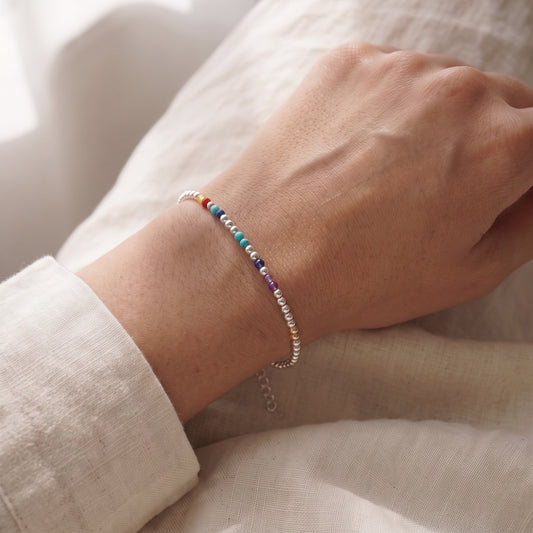
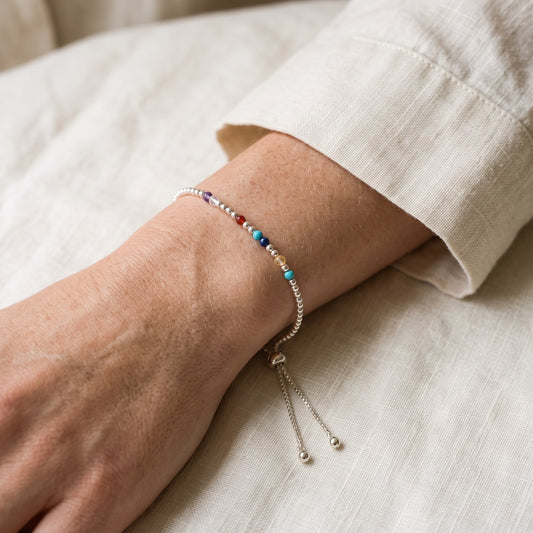
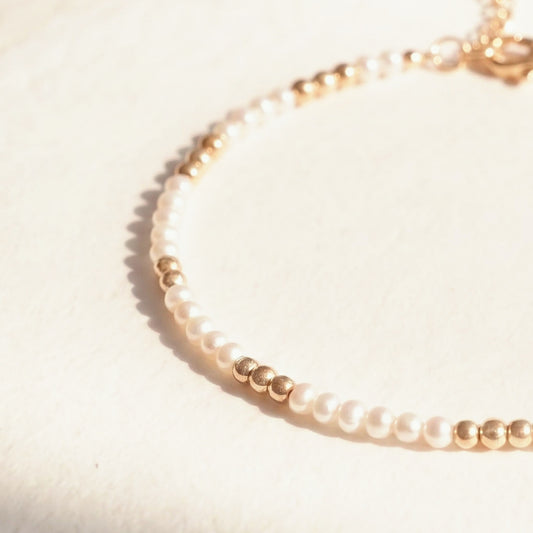
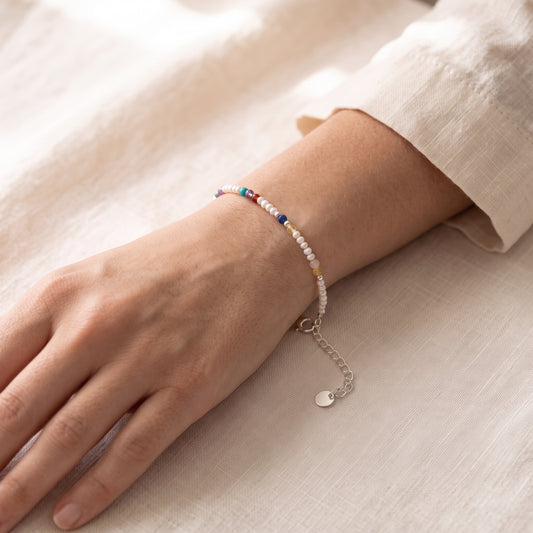
Ancient DNA tells the story of everyone. A DesigNA piece tells the story of one person, and the Pearl DNA Profile Necklace, £275, tells it softly. Genuine 6mm freshwater pearls hold the spaces. Then 4mm stones in lapis lazuli, garnet, citrine, amethyst and amazonite mark every value, in the order fragment size places them. A silver spacer sits either side of each stone, and it closes with a silver clasp and the oval DesigNA tag. Choose 16, 18 or 20 inches, each with a 2 inch extender.
The kit arrives in 2 to 3 working days. The wearer takes their own cheek swab at home and posts it back in the prepaid envelope. Then the necklace takes 2 to 3 weeks from the day the laboratory has the swab. Free UK tracked delivery covers both. For Christmas, order by Sunday 15 November 2026.
Frequently asked questions
What did the 2026 ancient DNA studies find?
First, a Nature paper on 15 April 2026 analysed nearly 16,000 ancient genomes from West Eurasia. It found 479 gene versions under strong selection over 10,000 years. Then a Science paper on 30 July 2026 found a ghost lineage in every modern human. It split off around 800,000 years ago, and each person carries about 0.5 to 1 percent of their genome from it.
Can a DNA necklace show my ancestry?
No. The 23 identity markers vary between individuals, not between populations. So the pattern points to a person and never to a place or a people.
Does the necklace contain ancient DNA, or any DNA?
No. The piece carries the pattern of the profile, not the DNA itself. The laboratory destroys the sample after profiling, and we delete the marker data after the piece arrives.
Do family members share a DesigNA pattern?
A parent and child share about half their values, so their pieces differ. Only identical twins share a whole profile.
What does the profile actually read?
Twenty three Short Tandem Repeat markers, each with two values and a fragment size. Every value becomes a stone in the colour of its dye, placed along the strand by fragment size.
Ready to wear a profile with one owner? Explore the full DesigNA collection.
Your genetic code, profiled from a simple cheek swab and handcrafted into the exact DesigNA necklace. No two are ever the same.
Shop the collection